 how-to
How to Transform Outdated Spaces Into Functional Retreats Fast
Last Updated: November 7, 2026
Quick Summary
The fastest way to transform outdated spaces into functional retreats is to plan before you demolish, starting with a written room-by-room plan and a clear scope. Speed comes from decisions made early, not from rushing the trades, so set scope before budget and order long-lead items before demolition.
- Write down what the room must handle before picking a single tile.
- Set the full scope of work before you set a budget number.
- Book inspections early, since a slipped sign-off delays every step behind it.
- Order long-lead items like tile and shower doors before demolition starts.
- Confirm every delivery date in writing the day before demolition begins.
Table of Contents
- Start With a Room-by-Room Plan for Your Functional Retreat
- Your Bathroom Renovation Planning Checklist for Small Spaces
- Build a Realistic Bathroom Renovation Timeline
- Questions to Ask a Bathroom Contractor Before You Sign
- How to Avoid Renovation Delays With Smarter Procurement
- Permits, Inspections and Building Code Checks That Affect Speed
- Living Through a Renovation Without Losing Your Routine
- Book a Walkthrough and Get a Transparent Quote
- Frequently Asked Questions
Start With a Room-by-Room Plan for Your Functional Retreat
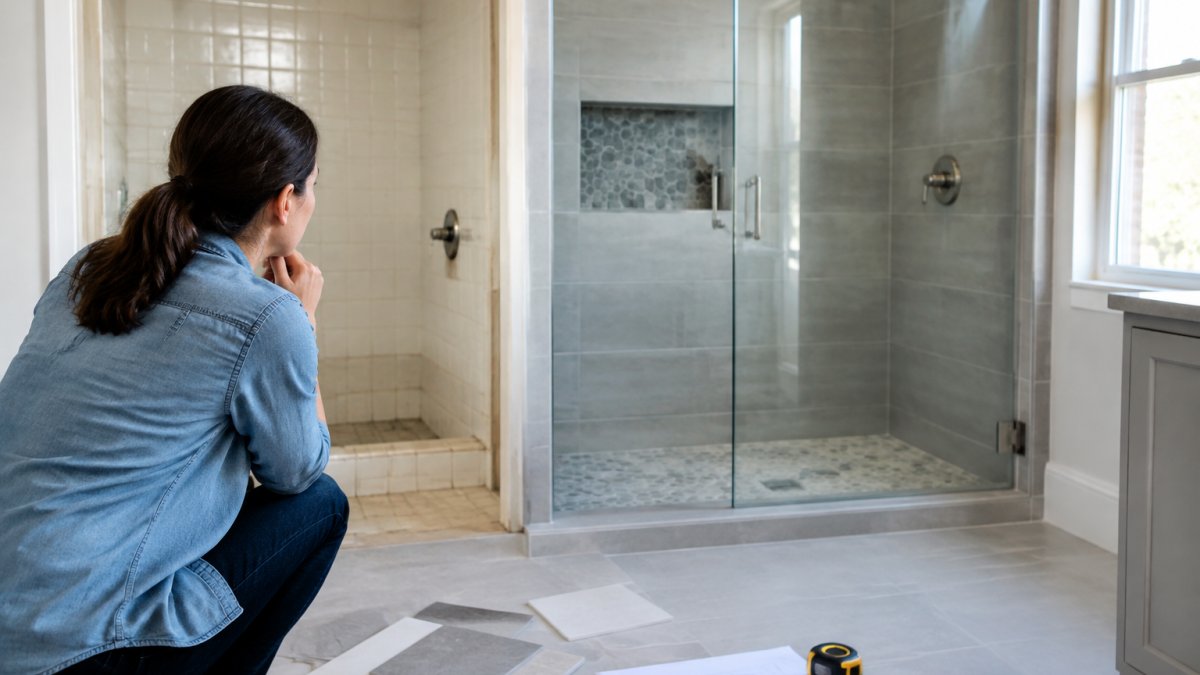
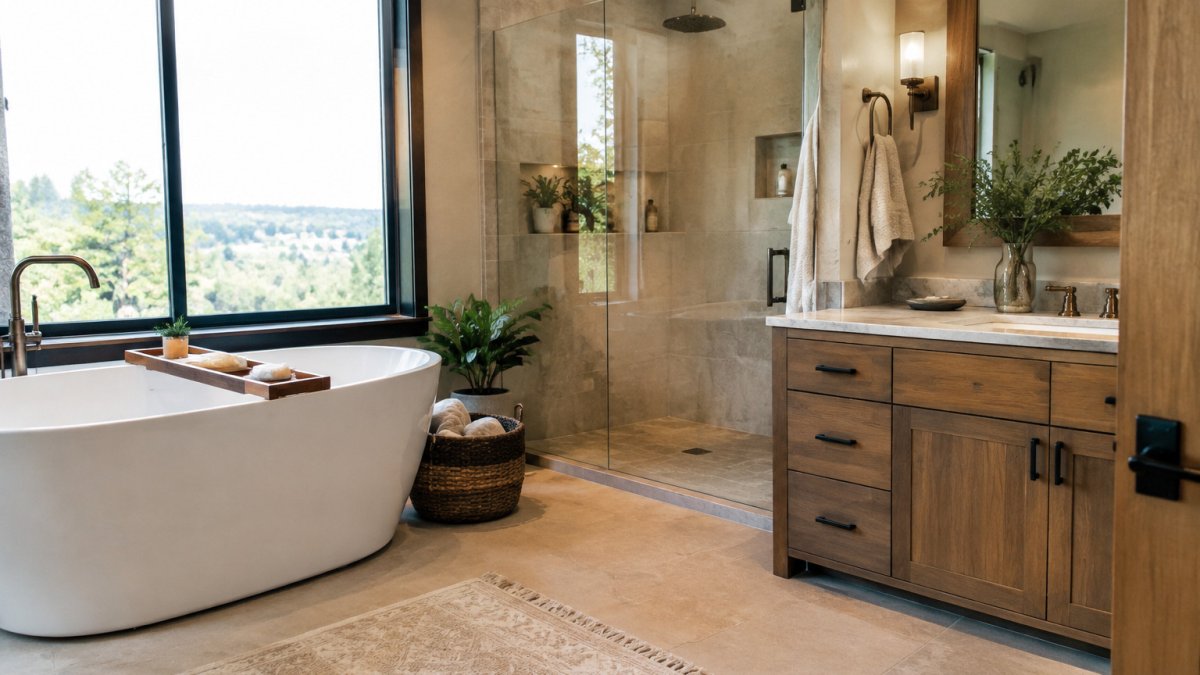
The fastest way to transform outdated spaces into functional retreats is to plan before you demolish. A functional retreat is a room that works for how you actually live: easy to move through, easy to keep clean, and built around the people who use it every day. Projects tend to finish on time when they start with a written plan rather than with demolition.
Speed comes from decisions made early, not from rushing the trades.
Decide What the Space Needs to Do
Before you pick a single tile, list what the room must handle. Most homeowners skip this step, then change their minds mid-build.
- How many people use it each morning?
- Do you need storage for towels, linens, or cleaning supplies?
- Is this a guest space, a primary suite, or a shared family bathroom?
- Will anyone with limited mobility use it?
Write the answers down. Every later choice, from layout to lighting, should serve that list.
Set the Scope Before You Set the Budget
Scope means the full list of work: what stays, what moves, and what gets replaced. Set it before you set a number.
A clear scope stops the two things that slow most jobs down: surprise extras and second-guessing. If you want to see how local scope translates into real numbers, read our breakdown of what a bathroom renovation costs in North Bay.
Planning a small bathroom remodel that actually works is its own skill. Our guide to planning a modern small bathroom remodel walks through the layout decisions in detail.
Your Bathroom Renovation Planning Checklist for Small Spaces
A tight bathroom is not a dead end. Small rooms often hide more usable space than owners expect, once the layout is right.
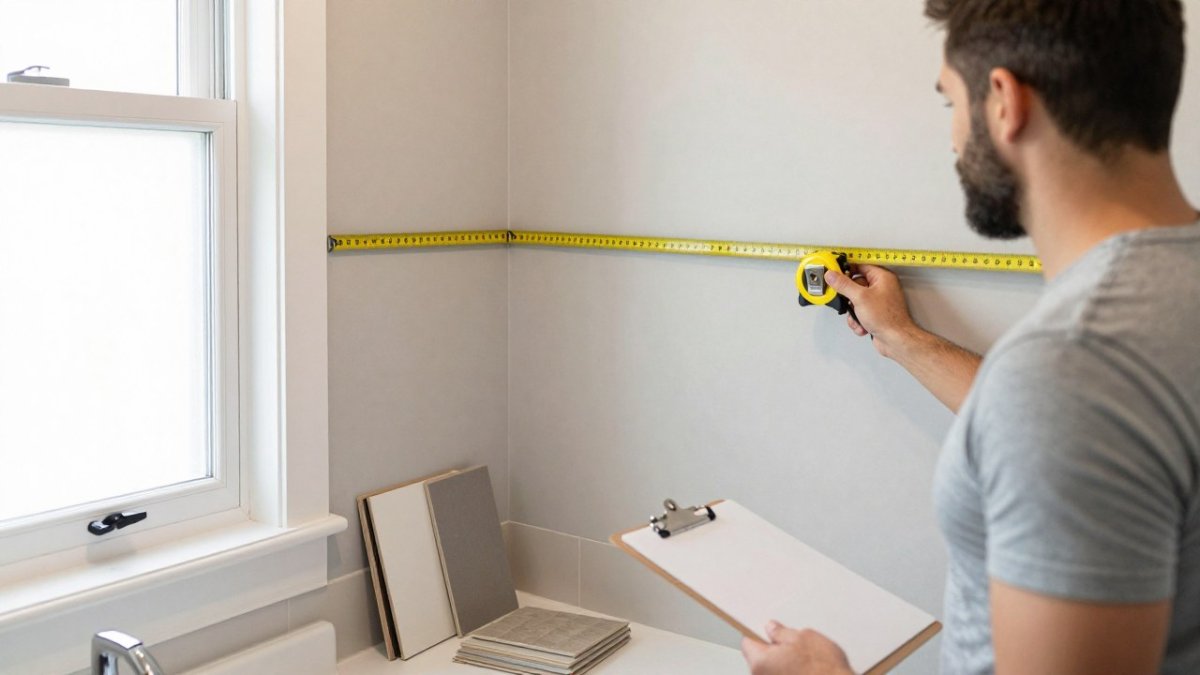
Work through this bathroom renovation planning checklist before you buy anything:
- Measure the room wall to wall, including door swing and window ledges
- Note where the plumbing stack and outlets sit
- Decide the shower or tub footprint first
- Choose storage that fits the wall, not the floor
- Pick lighting before finishes, since wiring comes early
Measure, Then Choose Fixtures
Measure twice, then shop. A corner shower or a wall-hung vanity can free up floor space in a room that felt cramped. Bring your measurements to every showroom visit.
Plan for Aging in Place From the Start
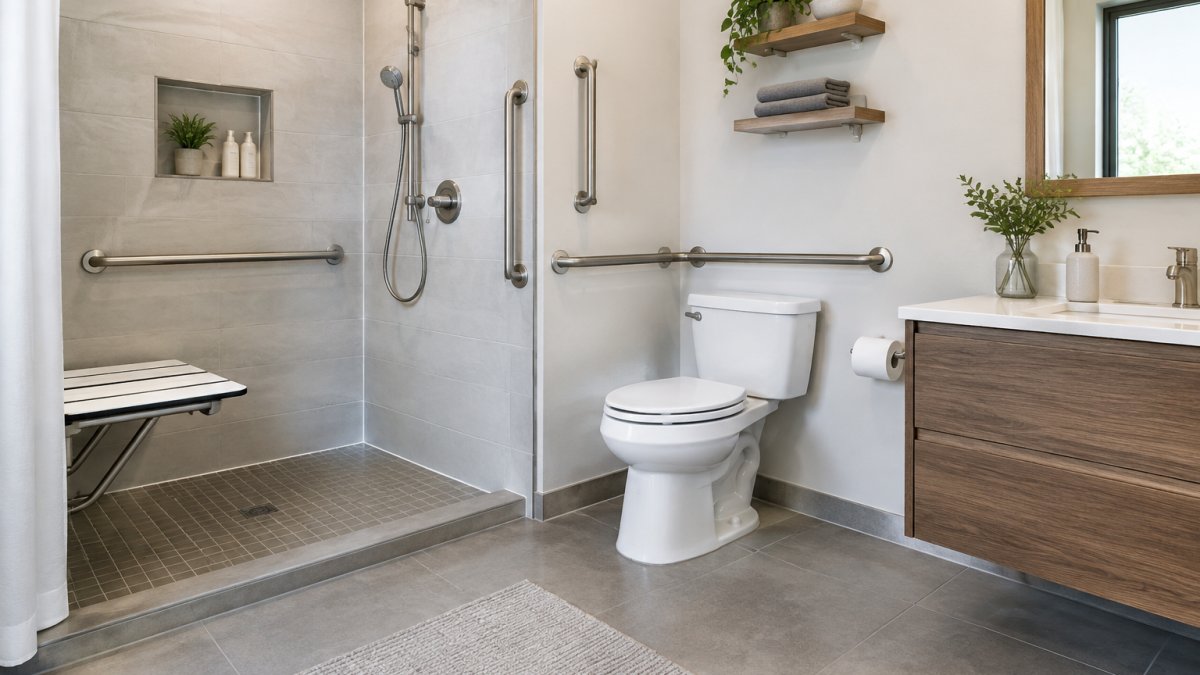
Grab bars, a curbless shower, and a comfort-height toilet cost less when installed during the build. Adding them later means opening walls again. If budget is tight, our list of accessible bathroom upgrades on a budget shows where to start.
Build a Realistic Bathroom Renovation Timeline
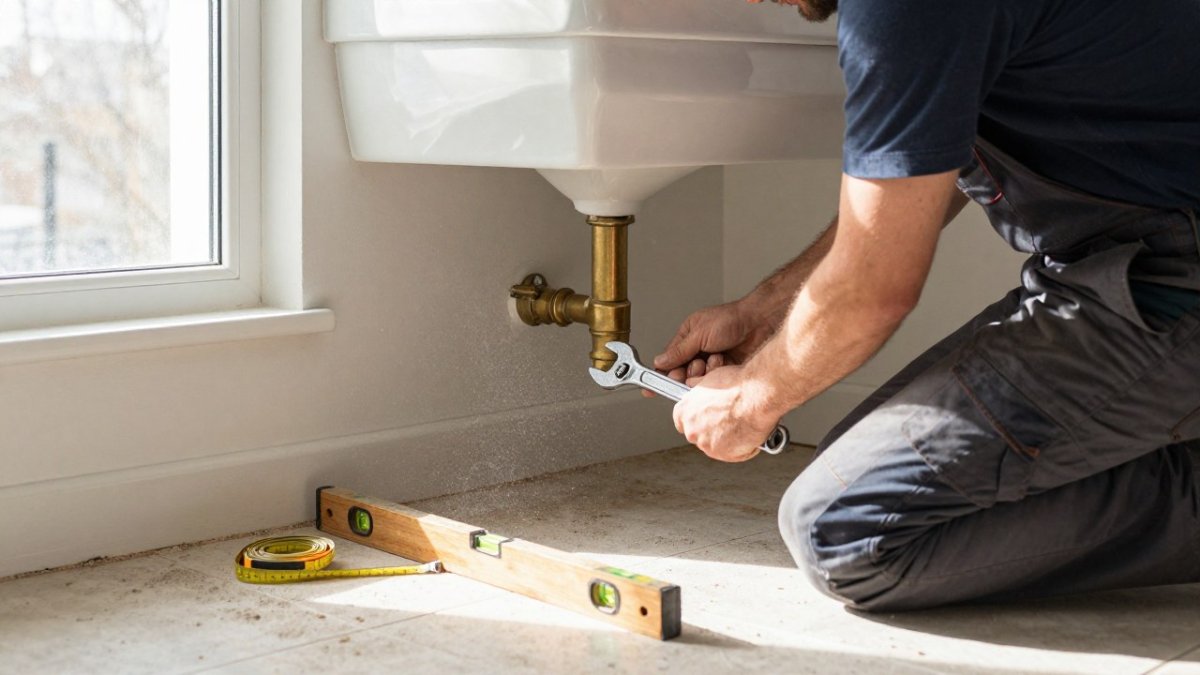
A bathroom renovation timeline depends on the sequence of work. A bathroom renovation timeline is really a chain: each trade waits on the one before it. Confirm your own timeline against your scope with a written schedule. Keeping each trade’s handoff clear helps avoid renovation delays and makes the schedule easier to carry through from demolition to the final fixtures.
Know the Critical Path
The critical path is the longest chain of dependent steps. Nothing after it can start early.
- Demolition and disposal
- Rough-in plumbing and electrical
- Inspection sign-off
- Waterproofing and tile
- Fixture and vanity install
- Final trim, paint, and cleanup
If the inspection slips, everything behind it slips. Book inspections early. Delays here also drive the budget overruns that stretch projects, which is why we wrote a full guide on preventing budget overruns on bathroom renovations.
Where the Weeks Actually Go
Ask your contractor for a day-by-day schedule with inspection dates already penciled in, not a single completion date.
Tasks You Can Overlap to Save Time
Not every step has to wait. Anything that depends on an inspection sign-off cannot be overlapped, because the inspector must see the work before it is covered.
What Commonly Causes Delays
The usual culprits are late material deliveries, changed selections after demolition, hidden water damage or outdated wiring found behind the wall, and inspection slots that are booked too late. Each one pushes the critical path. A written schedule that names the inspection dates and the material delivery dates turns these from surprises into managed risks.
Watch out: if your contractor cannot tell you which single task would delay the whole job if it slipped, the schedule is not really a critical-path plan.
The critical path runs in a fixed order, and each step waits on the one before it.
| Step | What happens |
|---|---|
| 1 | Demolition and disposal |
| 2 | Rough-in plumbing and electrical |
| 3 | Inspection sign-off |
| 4 | Waterproofing and tile |
| 5 | Fixture and vanity install |
| 6 | Final trim, paint, and cleanup |
Questions to Ask a Bathroom Contractor Before You Sign
Ask direct questions and listen for direct answers. Vague replies are a warning sign.
- Who pulls the permits, and is that in the quote?
- What is included, and what is billed as an extra?
- Can I call two recent references with similar bathrooms?
- What happens if you find hidden damage behind the wall?
- How do you handle warranty calls after the job ends?
A written, itemized quote protects you. So does a clear change-order process. If a contractor cannot explain both, keep looking.
How to Avoid Renovation Delays With Smarter Procurement
Many renovation delays start at the supplier rather than the jobsite. Order long-lead items such as tile, shower doors, and specialty fixtures early, and confirm each delivery date in writing.
Sort Every Purchase by Lead Time
Before demolition, list every item the job needs and mark each one as stock, short-lead, or long-lead. Long-lead items are the ones that decide your start date, such as specialty tile, custom or frameless shower doors, some vanities, and made-to-order fixtures.
Order Long-Lead Items Before Demolition
Place orders for long-lead items first and get a written delivery date, not a range. If the supplier cannot commit to a date, treat that as a risk and either choose an in-stock alternative or build the wait into the schedule. Confirm the delivery a few days before it is due, and have a storage plan ready so materials are not sitting in the work zone.
Choose Readily Available Alternatives
When a long-lead item threatens the start date, a close substitute may keep the project moving. Decide the substitution before demolition, not after, so the layout and rough-in still match.
Confirm Deliveries Before Demolition
The day before demolition, confirm every delivery date in writing and check that the items on site match the order. Missing or wrong items found after the walls are open are the most expensive kind of delay because the crew is already on the clock.
A verbal promise is not a delivery date; without written confirmation, the critical path is at risk.
If you are installing a new shower, the order of work matters. Our step-by-step guide on how to install a walk-in shower shows why framing and waterproofing must come before tile.
Permits, Inspections and Building Code Checks That Affect Speed
Permits are not paperwork to skip. In most cases, plumbing and electrical changes need a permit and an inspection before walls close. Skipping that step can force a tear-out later, which is the slowest outcome of all.
Check with your local building department on what your project needs. Local building rules typically reference national codes, so confirm which requirements apply to your project. Build inspection days into your timeline from day one.
Living Through a Renovation Without Losing Your Routine
Set up a temporary bathroom before work starts. A second bathroom, a basement sink, or a planned short stay elsewhere keeps mornings calm.
Then protect the rest of the house:
- Seal doorways with plastic sheeting
- Move valuables away from the work zone
- Agree on daily start and stop times
- Keep a clear path for trades to carry materials
A tidy, communicative crew makes this far easier.
Book a Walkthrough and Get a Transparent Quote
Most renovation stress comes from unclear scope, unclear cost, and unclear timing. Clarifying those three helps keep a project on track.
CompleteBathrooms handles bathroom remodeling for every budget, including specialized aging-in-place solutions. Clients receive a detailed quote with clear cost and timeline transparency, and the team keeps them informed. We serve homeowners across the region and turn outdated rooms into functional retreats.
Get started with CompleteBathrooms and book a walkthrough for a transparent quote on your project.
Ready to see what your bathroom could become? A short walkthrough is the fastest way to a clear plan and a firm quote.
Frequently Asked Questions
How do you plan a bathroom renovation to avoid delays?
Lock the layout and fixture selections before demolition, then order long-lead items such as tile, vanities and glass. Build a bathroom renovation timeline that lists the critical path: rough-in, inspection, waterproofing, tiling, then fixtures. Allow extra time for inspection scheduling and material arrivals. Confirm permit requirements with your local authority before work starts, and get the order of work in writing from your contractor so no trade waits on another.
How long does a typical bathroom renovation take?
Project duration depends on scope, including whether the layout changes and how much custom work is involved, plus lead time for materials. The biggest variable is not labor speed but procurement: tile, glass and specialty fixtures can add weeks. Ask your contractor for a written schedule that separates on-site days from ordering windows so you can plan around the disruption.
Can you use a bathroom during a renovation?
In most homes with a second bathroom, yes. If it is the only bathroom, plan a temporary setup before demolition begins: a portable toilet, a shower alternative, and a clear daily routine for the household. Discuss the sequencing with your contractor so the water shutoff and fixture removal happen on agreed days. A written schedule for when the bathroom is unusable helps households plan around work and school weeks.
Which bathroom upgrades make the biggest difference to everyday function?
Start with the items you touch daily: lighting, ventilation, storage and the shower or tub configuration. Bright, layered lighting with a lit mirror improves grooming and safety. A properly sized exhaust fan controls moisture. Recessed shelving and a vanity with drawers cut clutter. For aging in place, a curbless shower, grab bars and a comfort-height toilet make the room safer without a full redesign. These changes often cost less than cosmetic tile work and deliver more daily benefit.