 how-to
Avoid Hidden Bathroom Renovation Costs With a Smarter Plan
Last Updated: November 10, 2026
Quick Summary
To avoid hidden bathroom renovation costs, set aside a contingency of 10 to 20 percent of the project total and get an itemized quote covering permits, labor, materials, and a concealed-condition clause. A pre-demolition inspection catches water damage, old wiring, and failed waterproofing before they blow up your budget.
- A hidden cost is any expense not visible during a walkthrough, such as rotted subfloor or old wiring.
- Ask for a contingency line of 10 to 20 percent, with older homes sitting at the higher end.
- Cosmetic-only refreshes often need 10 percent, while full guts with layout changes need 15 to 20 percent.
- Every change should get a written change order with a price before work continues.
- Probe the subfloor and check the electrical panel before demolition starts.
Table of Contents
- The Real Sources of Hidden Bathroom Renovation Costs
- Your Bathroom Renovation Quote Checklist
- Hidden Bathroom Water Damage Repair Costs
- Plumbing, Electrical, and Permit Costs That Catch Homeowners Out
- Building a Bathroom Renovation Contingency Budget
- Bathroom Renovation Change Order Costs and Contract Protections
- Assessing Risk Before Demolition Starts
- Request a Transparent Quote From CompleteBathrooms
- Frequently Asked Questions
The Real Sources of Hidden Bathroom Renovation Costs
Most homeowners budget for what they can see: tile, a vanity, a new tub. The trouble starts behind the wall. When you plan a bathroom renovation, costs that stay invisible until demolition are the ones that blow up a budget. The fix is simple: plan for what you cannot see before you swing a hammer.
A hidden cost is any expense not visible during a walkthrough. It shows up only after the wall opens. Common examples include rotted subfloor, old wiring, and slow leaks.
What Sits Behind the Tile and Under the Floor
Open an older bathroom and you may find layers of past work, some of it done poorly. Here is what can surface:
- Water-stained subfloor that crumbles underfoot
- Aluminum or cloth wiring that no longer meets code
- Cast iron drains with cracks or heavy rust
- Missing or failed waterproofing behind tile
- Exhaust fans that vent into the attic, not outside
Each item adds labor and materials. None of them show up in a basic estimate. That is why a careful pre-project check matters more than a low headline price.
Your Bathroom Renovation Quote Checklist
A good quote answers questions before you ask them. Before committing to line items, see whether the project and quote are worth it. Ask any contractor to put the following in writing. If a line is missing, ask why.
- Scope of work, room by room
- Itemized materials and fixtures, with brands
- Labor broken out by task
- Permit fees and who pulls them
- Allowances for tile and fixtures
- Contingency line, ideally 10 to 20 percent
- Timeline with milestones
- Change order process and hourly rates
- Debris disposal and dumpster fees
- Payment schedule tied to progress
What a Complete Itemized Quote Looks Like
A complete quote reads like a shopping list, not a paragraph. It names each fixture and each task. It states labor rates and allowance limits. It also spells out what happens if a hidden issue appears.
| Quote Element | Vague Quote | Complete Quote |
|---|---|---|
| Fixtures | "New fixtures" | Brand, model, allowance per item |
| Labor | One lump sum | Broken out by task |
| Permits | Not mentioned | Fee listed, puller named |
| Contingency | None | 10-20 percent line |
| Change orders | Verbal | Written process and rates |
Before you sign, it helps to know what a fair project actually runs. Our guide to what a bathroom renovation costs gives local figures you can use as a benchmark.
Hidden Bathroom Water Damage Repair Costs
Water damage is the most common surprise in any remodel. A small stain on the ceiling often hides a bigger problem above. Slow leaks rot wood over years, and the repair bill lands on you.
Watch for these signs before work starts:
- Soft or spongy floor near the toilet or tub
- Peeling paint or bubbling drywall
- A musty smell that lingers
- Loose tile or grout that keeps cracking
- Stained ceiling below the bathroom
Fixing water damage can mean new subfloor, new framing, and mold remediation. Each adds time and cost. A pre-renovation inspection can catch many of these issues early, when they are often cheaper to fix.
Plumbing, Electrical, and Permit Costs That Catch Homeowners Out
Old plumbing and wiring cause the biggest mid-project shocks. Moving a drain or adding a circuit means opening walls and pulling permits. Both cost more than most people expect.
Here is where budgets slip:
- Plumbing layout changes: moving a toilet or shower drain is far pricier than swapping a fixture in place.
- Electrical upgrades: adding outlets, a GFCI circuit, or a fan often means new wiring to the panel.
- Permits and inspections: work done without a permit can fail inspection and cost more to fix later.
- Code compliance: older homes often need upgrades to meet current rules once walls are open.
A common mistake is skipping the permit to save money. It usually costs more in the end. Check your local rules through your provincial building authority before work begins.
Building a Bathroom Renovation Contingency Budget
Every renovation needs a contingency fund. This is money set aside for the unexpected. A renovation budget without one is a plan to overspend. But a single flat percentage is a blunt tool. The right reserve depends on what you are changing and what condition the room is in before work starts.
A simple baseline: set aside 10 to 20 percent of the project total. Older homes often sit at the higher end. Because the right contingency depends on the scope of the work, Cedar Home Group can help frame a New Jersey bathroom quote around the costs your plan needs to account for.
How Project Scope Changes the Reserve
Cosmetic refreshes carry less concealed risk than layout changes. Use these ranges as a starting point, then adjust for what you know about the room:
- Cosmetic-only refresh (paint, fixtures swapped in place, no wall openings): 10 percent is often enough, because few concealed conditions can surface.
- Full gut with layout changes (moving a drain, adding a circuit, new waterproofing): 15 to 20 percent is more realistic, since every opened wall is a chance to find old work.
- Older home with known damage (soft floor, past leaks, outdated wiring): 20 percent or more, and consider holding a separate repair reserve on top of the renovation contingency.
How Home Risk Factors Adjust the Number
Beyond scope, weigh these signals when you set the figure:
- Age of the home: pre-1980 homes are more likely to have aluminum or cloth wiring, cast iron drains, and missing waterproofing.
- Past water events: a stained ceiling below the bathroom or a musty smell is a reason to raise the reserve before demolition, not after.
- Previous DIY work: unpermitted or poorly executed past renovations often hide behind tile and under floors.
- Known code gaps: if the electrical panel is already near capacity, plan for an upgrade rather than treating it as a surprise.
Tracking the Contingency in Practice
- Write the full project estimate down
- Add the risk-adjusted percentage as a separate line
- Keep it untouched until a real issue appears
- Review it at each milestone and log every draw against it
- If a draw is needed, get a written change order before work continues
Watch out: treating the contingency as a slush fund for upgrades or finishes defeats its purpose. It exists for concealed conditions, not for scope creep.
For a deeper look at keeping a project on track, read our guide on how to prevent budget overruns. It covers the tactics that keep small surprises from becoming big ones.
Bathroom Renovation Change Order Costs and Contract Protections
A change order is a written agreement to change the scope, price, or timeline. It protects both sides. The problem starts when change orders happen without paperwork, or when the contract never says who pays for what was hidden behind the wall.
Contract Terms That Prevent Surprise Bills
Before you sign, make sure the contract addresses these points in writing:
- Allowances: a stated dollar amount for tile, fixtures, and finishes, plus what happens if you go over. An allowance is not a fixed price; it is a budget line that can move.
- Exclusions: what the contractor is not covering. A quote that omits demolition, disposal, or permit fees is not cheaper, it is incomplete.
- Payment milestones: payments tied to completed stages, not to a calendar. A large deposit before work starts shifts risk to you.
- Concealed-condition clause: who pays when opening a wall reveals rot, old wiring, or a failed drain. The fairest contracts state a process and a rate for this work before it appears.
- Change-order process: every change gets a written order and a price before work continues, with hourly rates for extra work stated upfront.
- Signed approval: the contractor cannot add charges without your signed approval.
How a Change Order Should Work Mid-Project
When a hidden issue surfaces, a clear process keeps the project moving without disputes:
- Document the problem: photos, a short description, and the location.
- Get a written change order: scope of the added work, the price, and the effect on the timeline.
- Compare options: ask whether a repair, a reroute, or a partial replacement is possible, and what each costs.
- Approve in writing before work continues: verbal promises are how surprise bills appear.
- Log the change against the contingency: every draw should be traceable.
Watch out: a contractor who resists putting change orders in writing, or who asks for a large deposit before work begins, is a warning sign worth taking seriously.
Protect yourself by getting every change in writing, every time.
Assessing Risk Before Demolition Starts
Smart planning starts before the first hammer swing. A pre-demolition check finds problems while they are still cheap to fix. It also sets realistic expectations.
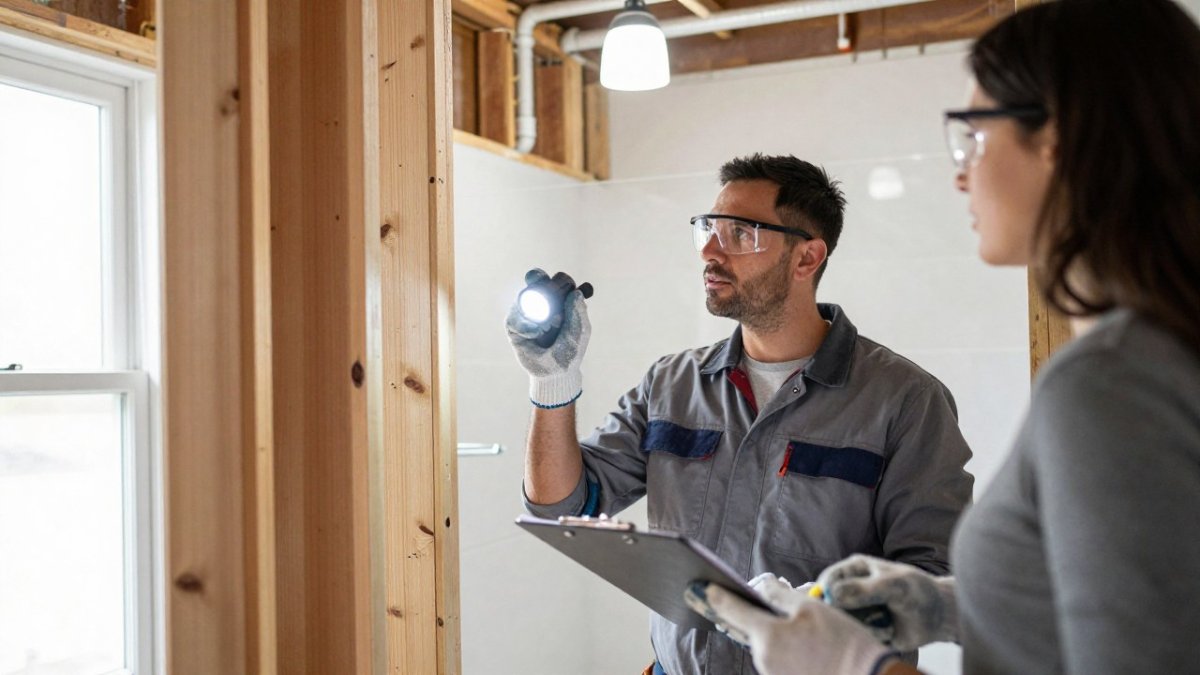
Ask for these checks first:
- Probe the subfloor around the toilet and tub
- Test the water pressure and check for slow leaks
- Inspect the electrical panel and visible wiring
- Confirm the exhaust fan vents outside
- Check for past moisture with a meter
A quick risk review now saves money later. It also gives you a clear scope of work to compare quotes against.
Request a Transparent Quote From CompleteBathrooms
The best way to avoid surprise bills is to work with a team that shows its numbers. CompleteBathrooms provides detailed quotes with clear cost and timeline transparency. We serve homeowners across the region with expert remodeling for every budget, including aging-in-place solutions. Our team aims to stay professional and communicative throughout the process.
Hidden costs do not have to derail your project. Start with a real inspection, a written quote, and a contingency fund. Then choose a team that explains every line. Get started with CompleteBathrooms and renovate with a clear budget from day one.
Frequently Asked Questions
What are the most common hidden costs in a bathroom renovation?
The usual culprits sit behind the finished surfaces: rotted subfloor or wall framing, outdated wiring that fails inspection, plumbing that needs rerouting, and moisture damage that only shows once tile comes off. Demolition and debris disposal, permit fees, and upgrades you add mid-project also push bathroom renovation costs up. A pre-demolition inspection and an itemized quote with allowances spelled out are the two best ways to surface these before they surprise you.
How much contingency should I budget for a bathroom renovation?
Set aside 10 to 20 percent of the project cost as a bathroom renovation contingency budget. Homes with older plumbing, previous DIY work, or a history of leaks should sit at the higher end. Treat the fund as untouchable for design upgrades, so it stays available for genuine discoveries. If the project closes without using it, you keep it, which is a far better outcome than a mid-project change order you cannot cover.
What should a bathroom renovation quote include?
A complete quote lists labor and materials separately, names fixtures and tile with allowances, and states who handles permits and inspections. It should also cover demolition, debris disposal, waterproofing, and a timeline. Ask whether the price assumes the existing plumbing layout stays put, because moving a drain or supply line changes the scope. Vague lump-sum quotes are where surprise costs hide, so request line items before you sign.
Can water damage increase the cost of a bathroom renovation?
Yes, and it is one of the most common reasons budgets overrun. Slow leaks around a shower or toilet can rot subfloor and framing for years without visible signs. Once uncovered, the repair adds demolition, drying, replacement materials, and sometimes mold remediation to the bill. A pre-renovation inspection that checks for moisture and staining helps you price that risk into the plan instead of absorbing it mid-project.